Thursday, 28 March 2013

Design strategy - Dazed and Confused brief: Responsive
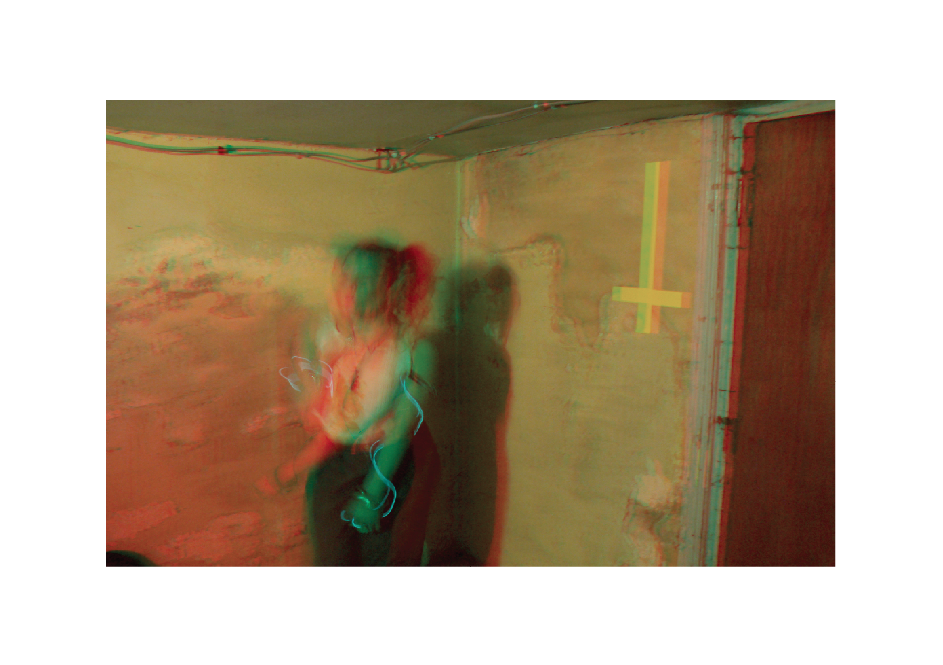
Out of all the briefs I chose to respond to in the responsive module the Dazed and confused brief was my most favourite, I had the opportunity to work collaboratively with a friend, as well as take part in a competition brief which I believed was well suited for me. The aim was to capture contemporary youth culture in one single image, in doing so Emily and myself produced a wide range of work from typography to installation to events organising and most of all photography.
Below are some presentation boards to show the processes and final results of our work from taking part in the brief.


Below are some presentation boards to show the processes and final results of our work from taking part in the brief.




Sunday, 17 March 2013
Study task 8 - What is a creative CV?
Task
Who are you writing it for?
Who needs to read it?
Who will actually read it?
What do they need to know?
What do they want to know?
Wednesday, 6 February 2013
Design strategy - Evaluation: OUGD504
1. What skills have you developed through this module and how effectively do you think you have applied them?
I have explored more in this module due to it being largely focused on print. I have developed a better understanding of the process involved in commercial printing, how products are designed before and after the process as well a multitude of other things in reference to print. I believe i have learned how to thoroughly research more, where as last year i sometimes struggled to find the right information or imagery necessary. I have developed a better understanding of Adobe as i have practiced more on Illustrator mainly as well as Photoshop, Indesign and Dreamweaver. Illustrator is my strongest still for design purposes, and Photoshop for editing imagery i have realised. I wish to be able to to join the two and make graphic design work which involves both skill and which looks consistent as a design, as i feel sometimes my vector design if far from my photographic work when put together.
2. What approaches to/ methods of design production have you developed and how have they informed your design development process?
With each brief i have chose or been given i have designed throughly in comparison to last year, i had a bad hobbit of leaving design until last minute due to concentrating on other things such as research and blogging, which let my designs down as i hadn't spent enough time on them. This year i have learnt its best to design the minute i get a brief, even if its just getting my ideas onto design sheets or blogging my conceptual thoughts for a task. I feel this method of development prose worked best for me in the Design for print and web brief - Not just Fleurons, it was a brief we had to re-write ourselves, which i enjoyed altering aspects to benefit my own design. For this brief i explore hand rendered type design, digital type design, screen printing, web design and app design. These are all areas which was never very strong in, however since i have devoted a lot of effort to that brief i believe it payed off as i developed an unconventional choice of design approach with the theme of Pantone and the concept of gardening. Over all i was really happy with the final designs and i could have probably progressed more with them, i believe i should have developed more print based material for the brief as well, this could of involved a range of products such as Plantae Pantone seed, Plant dye etc. In fact these kind of product i might investigate further regardless of the deadline.
I have practiced new design element such as foiling and screen printing, realistically these are methods i should have already designed in, this is something i will bare in mind this year to experiment at the beginning of a brief to be able to use what ever process i wish.
3. What strengths can you identify in your work and how have/will you capitalise on these?
I believe i have became better at blogging, unlike last year i used to mange blogging terribly, this year i blog in a structured and less time consuming way. I do primary and secondary research for briefs which is really important to gather a different kinds as some times secondary isn't useful enough. I have grasped that working to meet crit deadlines is hugely important as the feedback can give you an advantage to change and make your work better.
4. What weaknesses can you identify in your work and how will you address these in the future?
Unfortunately by software skills aren't great, i really need to be more equipped with photoshop, indesign and dreamweaver as these are all programmes which i need to be able to use with out any trouble. The best way of me learning i find is to sit in the mac suite when designing work i'm a little uncertain on how to do so that the mac suite people can help me on design areas i find hard.
When designing for editorial i struggle with layout, this is something i want to develop a skill in and be able to do with out the worry of it not look visually effective, this also applies to the presentation boards we have to submit, i find it a little difficult to present my work on paper, knowing whats the correct way of informing others about my designs. This falls hand in hand with my presentation skills, i am not a confident speaker but this is something i wish to over come as i am in my 2nd year now and don't won't to feel the panic next year.
5. Identify 5 things that you will do differently next time and what do you expect to gain from doing these?
I will experiment with different medias and processes to show a range in my design and technical abilities.
I will book into inductions such as last cutting, book binding and screen printing again to make my self fully aware of how to do things my self.
I will spend more time designing, especially initial designs to show a wide range of experimental ideas.
I will keep up to date with blogging, structure my time effectible and make lists.
I will be more organised with my work and my money situations for the sake of my work.
6. How would you grade yourself on the following areas:
Attendance: 3
Punctuality: 3
Motivation: 4
Commitment: 4
Quantity of work produced: 3
Quality of work produced: 4
Contribution to the group: 5
Sunday, 27 January 2013
Life's a pitch - Inkspire
The visual identity for the business Inkspire


As a team we contributed to organising the presentation, we were assigned individual roles within the business and for during the presentation, here are some notes I have made for the presentation to our peers:
Presentation
Slides:
Intro - company inspire
craft based company, want to do novelty gift ideas, specialising in illustration
craft based company, want to do novelty gift ideas, specialising in illustration
Pop up shop- start off as a small company, fork our way, explore audience, get our name out there
Create attention
Creating a buzz - come up with different strategies to attract an audience, for example tea making it more personal, personal customers, customer care and friendliness
Staying in touch - networking, leaflets, blogging, twitter, linkedin to create awareness and an online presences
Company cost - we want a small company, want to be sensible, do things low cost, small business, don't want to aim to high because we have to cover the costs, split the commission, have all participant taking an equal role
Draw something - is the inspiration board, type of designs that are influential to us, styles per illustrated for different audiences, so we'd consider patterns, colour pallets, drawing techniques,
Product range - looks at t-shirts, tote bags, fabrics, stationary, home gifts, themes products for each audience.
Responsibilities:
LISA: Website
_We thought it would be a useful idea to create a second form of publicity, a way of getting our products out there.
_Become a bigger company
_Promote inkspire as a brand and identity, move up in the market
_ The goal would be to gain recognition mainly but also receive feedback from previous customers.
_So a way of publicising our work and having an online presence, would be to create a website which would link up to all the social networking sites.
_Each page informing costumers about contacts, commission, who we are, what we do and how we do it alongside lots of visuals of ready made products.
_If this were all in check then the company would have grown from a popup stall at a craft fair to a decent brand that sells illustration themed products.
Existing competitions - well known brands such as paper chase, who are existing competition as we'll as inspiration companies
Saturday, 19 January 2013
Life's a pitch - Product range research
Here are a few photographs to show how illustrations can be applied to a range of products:


http://pinterest.com
Thursday, 17 January 2013
Life's a pitch - Imagery research
After we organised what out business would be, we each collected some imagery to show in the presentation as examples of what kind of illustrative approach we would take, and who the work would be aimed at. Below are a few examples I collected.
Adult art


Adult art


Teens art


Source:http://pinterest.com
Subscribe to:
Posts (Atom)